


Why Wearable Technology is Creating New Risks for Schools
As wearable technology becomes increasingly embedded in everyday life, schools are now facing a new challenge: how to manage smart devices that are smaller, less visible, and potentially more intrusive than mobile phones.
From smartwatches to AI-enabled glasses capable of discreet audio and video recording, wearable devices are raising fresh concerns around student wellbeing, privacy, cyber security, and safeguarding in Australian classrooms. While many schools have spent recent years adapting to mobile phone bans, the rise of wearables presents a more complex enforcement challenge.
Victoria is set to introduce further restrictions on wearable technology in schools from next year, building on its 2020 ban on mobile phones in public school classrooms. The new legislation will also apply to non-government schools.
Under the legislation, mobile phones must be switched off and stored away from first to final bell; wearable devices must have notifications, cellular connection and recording functions switched off and personal audio devices must not be used during school hours.
Whilst the state-wide policy is designed to reduce the harms and legal risk to schools, there is an increased difficulty in enforcing technology policies in respect of wearable devices because many of the risks are less visible than those associated with smartphones. They can collect highly personal audio, video, image, biometric, and location data, which raises the stakes if anything is misused or leaked, including to third party vendors.
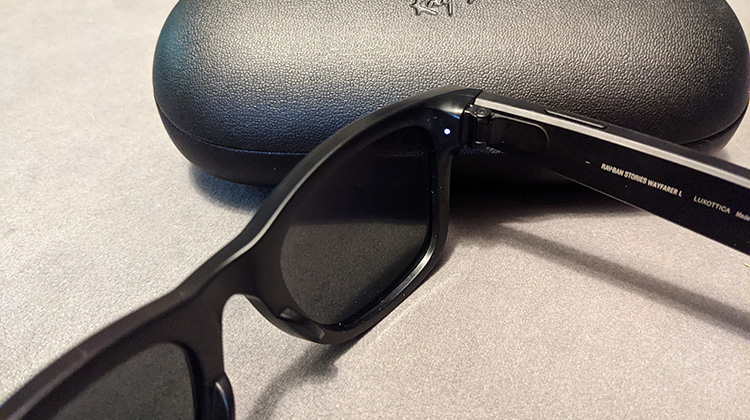
Unlike phones, many wearable devices are intentionally designed to blend into everyday life. Smart glasses, for example, may appear almost indistinguishable from ordinary eyewear while still enabling users to capture images, video, or audio discreetly. This creates new challenges for schools attempting to maintain safe classroom environments and protect student privacy.
Recent incidents demonstrate the kinds of privacy and data security risks schools can be exposed to where third-party technology providers collect, store or manage student data without adequate safeguards.
Earlier this year, thousands of education providers globally, including some Australian schools and universities, were affected by a breach involving Instructure’s Canvas platform, with names, email addresses and student-related information reportedly among the data at risk.
There is also growing scrutiny around how school-linked technology collects and manages children’s data. A 2026 UNSW-led audit of almost 200 school-endorsed apps found many began harvesting children’s data within seconds, with some practices contradicting privacy policies and exposing gaps in oversight by education systems, developers and regulators.
If schools do not have policies and processes around known risks or take steps to prevent foreseeable harm, the schools or education departments may be exposed to legal action. It is similar to the scenario where individuals commit crimes offline, but the school fails to adequately respond to known concerns or complaints and becomes liable as a result.
The covert nature of wearable technology heightens concerns around surveillance and inappropriate recording in schools. Wearables increase the difficulty of enforcing policies and make unintended recording and surveillance issues much harder to identify and manage.
Mobile phone bans in schools have already been linked to improvements in student wellbeing, concentration and social behaviour but the risks associated with use of these devices extend well beyond classroom distraction. Schools have been dealing with complex incidents involving image sharing, cyberbullying, and student misconduct facilitated by technology.
I recently heard about an incident where a school was required to justify the suspension of a student who shared nude images of their ex-partner with their new partner and the new partner and friends used those images to bully and humiliate the individual. For the victim, that kind of incident could be life changing. I fear that schools would be grappling with issues like this on a regular basis and wearable devices just add fuel to the fire and heighten these risks.
Students should realise that actions like this can attract criminal penalties. They can lead to all sorts of civil legal action if the individual wronged was inclined to pursue this.
In the worst-case scenario, the increased ability for wearable devices to record audio and video also heightens risks around predatory behaviour by adults in school environments, making covert recording more accessible.
Principals are right to be concerned about the privacy, wellbeing and enforcement challenges associated with wearable devices in schools. This new policy should address many of these issues by having guardrails around use. The harder challenge may be enforcement, particularly where schools are required to determine whether notifications or recording functions or connectivity features have actually been disabled.
It is also interesting that the introduction of the new policy in Victoria will create further differences between how schools restrict devices in different states and territories. It is common for laws to differ across jurisdictions, especially within the state school sector.
National consistency around wearable technology policies may eventually be achievable, but it would still require agreement across jurisdictions with differing policy priorities and existing school-level approaches. In the meantime, schools will likely remain focused on practical enforcement, including responding to incidents and complaints as they arise to maintain safe learning environments.
As wearable technology continues to evolve, schools will need to strike a careful balance between embracing innovation and protecting student safety, privacy, and wellbeing. While these devices may offer new opportunities, they also introduce risks that are harder to see, monitor, and manage. For schools, the challenge ahead will be ensuring policies keep pace with technology in a way that maintains safe and supportive learning environments.
Image by cavebear42 - Own work, CC BY-SA 4.0, https://commons.wikimedia.org/w/index.php?curid=110538531