


The Sad Boy Behind the Footy Hero
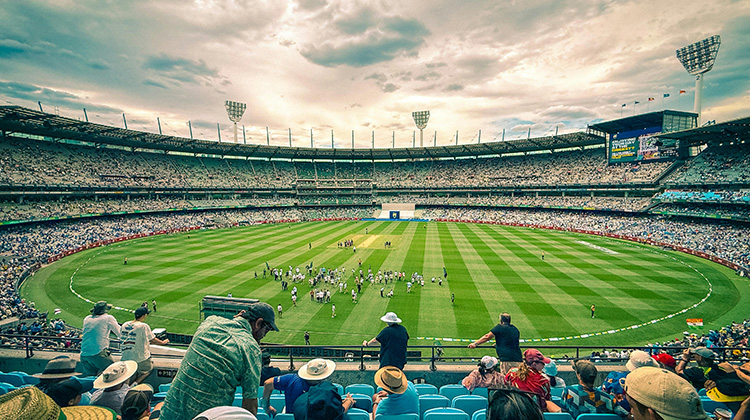
With as few as 0.01% of more than 640,000 young footballers and athletes from around Australia selected in the annual draft process for the AFL, for every boy that makes the grade there are thousands of others who are left disappointed.
That plays out in local and high school football competition as well, as footy season kicks off this year, lots of young men’s hopes and dreams of selection will go unfulfilled. That’s difficult psychologically, there is attendant stress and depression.
Sport experts from Flinders University surveyed more than 400 young male Australian footballers (16-18 years old) to evaluate the psychological impact on their mental health and wellbeing during a draft selection year.
"In the midst of adolescence and crucial stages of life, striving to compete at these levels raises concerns for the effects on young male players," says Associate Professor Sam Elliott who led the research.
The study gathered measures of wellbeing, anxiety, depression, sleep, eating behaviours, social support and self-compassion across their draft year, at pre-, mid- and end of the season.
Risks to individual mental health and wellbeing include pressures to perform, upward social comparisons, perfectionism, burn-out and overtraining, abuse and maltreatment, parental pressure or conflict, as well as increased susceptibility to injury and risk-taking by training through pain, injury, and exhaustion.
Elite youth athletes can also encounter stressors such as body image dissatisfaction and weight concerns.
“Concerns were raised about those exiting the talent pathway undrafted,” says Associate Professor Elliott, researcher in sport psychology, coaching and youth sport at Flinders University.
“Preliminary findings show that young footballers’ mental health remained largely steady across the season, with only a small rise in sleep difficulties around mid-season.
“Significant changes were noted at mid- and end-of-season for wellbeing, combined anxiety and depression, and sleep difficulty.
“Crucially, players with higher self-compassion and stronger social support reported far better mental health overall. Self-compassion emerged as a powerful protective factor, linked to lower risks of depression, anxiety, and disordered eating, and to significantly higher wellbeing.
“Social support also played an important role, improving wellbeing and reducing depression risk.”
The study gathered feedback from 418 Under-18 players from the South Australian National Football League (SANFL) to obtain 765 responses from an online survey across the competitive season.
The researchers recommend further investigations into draftee mental health to explore the role of social networks in developing psychological strategies.
“Looking beyond the AFL draft, we emphasise a need to maintain relationships within the coach-parent-athlete relationship,” adds Associate Professor Elliott, who spent six seasons coaching talented junior athletes at South Adelaide Football Club before moving to West Adelaide Football Club as Head of Development this season.
“Having a strong social immediate support network with coaches and parents or caregivers can help a player to cope with disappointment if their draft year does not go as planned.
“Clubs, families and other networks can provide honest, safe communications to ‘normalise’ mental health issues and promote help-seeking behaviours to optimise health outcomes.
“Even if players are fortunate to be drafted to an AFL team, these support networks can prove critical in helping them to navigate the newfound pressures and expectations associated with senior, elite football.”
Associate Professor Elliott says young players have to juggle their sporting ambitions with study, work and social commitments, which also requires support and monitoring to keep a young athlete on track - developing important psychological skills to cope with setbacks during times of both success and failure.
‘Mental health and wellbeing of elite youth Australian footballers on the road to the AFL Draft: A Longitudinal Analysis’ (2025) by Sam Elliott, Deborah Agnew, Tom Rowntree, Ivanka Prichard and Ashley Montero has been published in the International Journal of Sport and Exercise Psychology
DOI: 10. 10.1080/1612197X.2025.2584534.
Image by Harshil Suthar