


Schools Access Cheaper Electricity
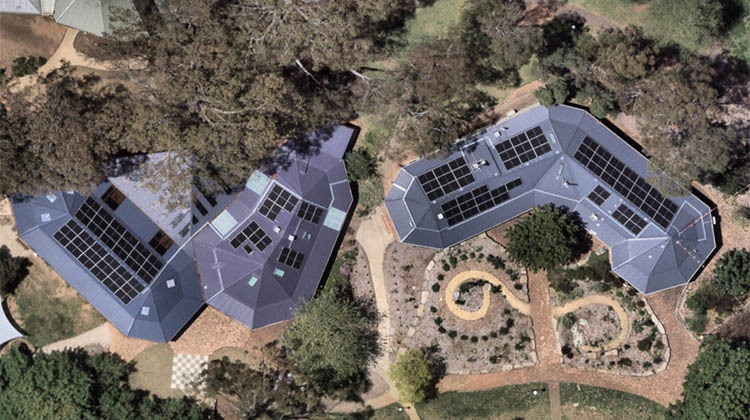
The electricity costs of a school are significant line item in every budget, and it seems that not a whole lot you can do about it, there’s solar but that’s a significant outlay.
There is another way forward, Mount Barker Waldorf School, an independent school, required an energy solution that reduced operating costs while aligning with the rhythms and constraints of a school campus.
The school sought to design and deliver a solar solution that matched on-site consumption patterns and respected the physical layout and operation of the campus.
By structuring the project under a consumption-based Power Purchase Agreement (PPA), the school was able to access clean, predictable energy costs without committing capital or assuming operational risk.
Think of a PPA as renting electricity from solar panels that sit on your own roof. Instead of the school buying the solar system upfront, Mount Barker Waldorf engaged Agile Energy, who funded, installed, and owns the system. The school simply agrees to buy the clean electricity produced at a fixed, discounted rate compared to normal grid power.
Because the solar energy is used directly onsite, it avoids many network and retail charges - which is where the savings come from. This is about 20-40% of the grid energy cost.
Exporting power back to the grid typically earns very little, so modern PPAs are designed to maximise self-consumption rather than selling excess energy.
Savings are usually estimated by comparing:
• The school’s current electricity tariff, and
• The agreed solar price per kWh under the PPA.
Jack Kapoor from Agile Energy says, “Typical returns vary by site and usage patterns, but many education facilities see immediate bill reductions without needing upfront capital investment.
“The project was structured to deliver immediate energy cost reductions, with those savings being reinvested back into the school’s programs and facilities rather than upfront infrastructure costs.”
Scale does influence outcomes. Larger campuses usually achieve stronger economies of scale because fixed engineering and compliance costs are spread across a bigger system.
However, smaller schools can still benefit, particularly if they have consistent daytime energy use such as classrooms, administration buildings or sports facilities. Agile Energy’s PPAs or operating leases are often used to make smaller installations viable without requiring upfront funding from the school.
Solar adoption is steadily increasing across Australian education facilities, driven by rising electricity prices, sustainability goals and the desire for predictable operating costs.
Systems are typically funded through a mix of:
• Third-party financed PPAs or lease structures
• Government grants or sustainability programs
• Capital works budgets or
• Hybrid models combining grants with financed delivery.
“Many schools prefer financed solutions because they preserve cashflow while still reducing emissions and long-term energy costs,” says Kapoor.