


Program Keeps Girls in Sport
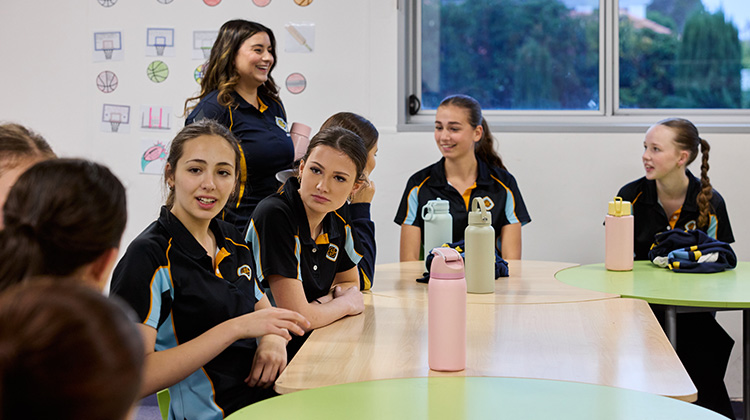
The evidence-based education program Bodies, Bias and Belonging equips girls, and the adults who support them, with the knowledge and tools to navigate puberty, build confidence, and stay active and engaged in sport during the years they are most likely to drop out.
Bodies, Bias and Belonging was developed by Dr Stacy Sims, a globally recognised exercise physiologist, nutrition scientist and author, in collaboration with education specialists at Cool.org.
Dr Sims is known for her pioneering research into female-specific sports nutrition and training, popularised by her mantra "women are not small men".
The program brings critical but often overlooked topics, including growth and development, sociocultural influences, hormonal changes, nutrition and training, into everyday conversations.
Dr Sims said that, as both a researcher and a mother of a teenage daughter, she created the program to help girls to better understand their bodies.
“My goal is to help girls stay engaged in sport with tools that build confidence, connection, and a strong sense of self, while highlighting the powerful benefits of movement,” Dr Sims said.
In Australia, around 60% of girls drop out of organised sport during adolescence - significantly more than their male peers - with dropout rates peaking at age 15. (1) Research identifies body image concerns, low confidence and concerns about the menstrual cycle’s impact on participation as key contributing factors. Bodies, Bias and Belonging directly addresses this gap, giving girls, teachers and coaches the evidence-based tools they need at exactly the moment girls are most likely to walk away from sport.
Alexandra Pavlidis, Senior Health and Physical Education Teacher at Canterbury Girls' Secondary College, praised the resources as an invaluable tool for educators that supported young women in their learning journey.
"These resources will help us continue to deliver high-quality lessons grounded in up-to-date, relevant information aligned to the Victorian Curriculum,” Ms Pavlidis explained.
“The lessons empower students to understand everything from how nutrition fuels their body to exploring the factors influencing women’s participation in sport, helping build lifelong healthy habits.
“They’re also highly adaptable across year levels, making them a versatile addition to any HPE program.”
The resources were recently brought to life at Canterbury Girls' Secondary College, in a Unit 1 Health and Human Development lesson focused on nutrition for young women, where student engagement was outstanding.
Canterbury Girls' Secondary College Students Alana, Theodora, and Chloe shared their enthusiasm for the program saying, "we all loved the Pick Your Plate game the most - we got to explore and compare the nutrients our bodies need while enjoying some friendly competition with each other for the medals."
Students Genevieve and Sophie added, “being able to visually see how food fits into our daily intake makes it feel real, making it easier for us to apply what we learnt to real life."
MECCA M-POWER partnered with Dr Sims and Cool.org to fund the program’s roll out in Australian and New Zealand, providing a $250,000 investment from M-POWER, MECCA’s social impact program.
Jo Horgan, MECCA Co-Founder and CEO said MECCA had long believed in the confidence that comes from truly understanding your body, strength, and potential.
“Supporting this program is one way we can play a small role, helping girls build that understanding and confidence, so they stay in the game, trust their bodies, and back themselves every step of the way.”
1 Sources: Kay et al., Sport in Society (2025); Flinders University, Alarming gap in girls’ sport (13 February 2025).