


Mind Movement
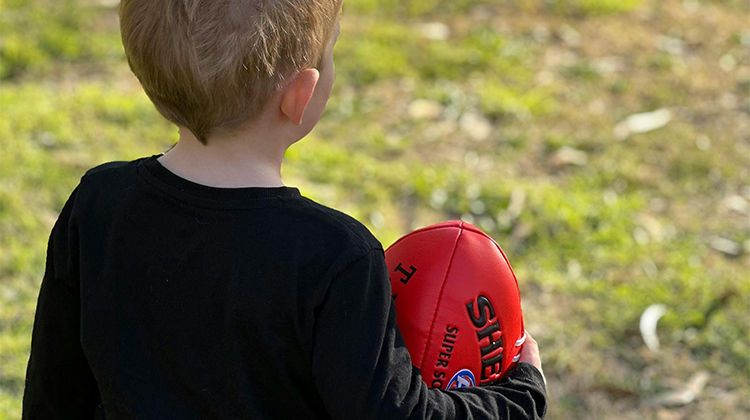
In early learning and primary school settings, movement is often positioned as a break from learning, a transition tool or an optional extra, rather than as an intentional pedagogical strategy that supports children’s cognitive, emotional and social development. As a result of time-pressured programming, physical activity is frequently treated as discretionary, despite its proven role in shaping brain development, emotional regulation and lifelong learning behaviours. But what if movement wasn’t a break from learning? What if, in the 2026 school year, we intentionally viewed movement not as a pause in learning, but as a core driver of how children engage, develop and learn?
Here are 5 benefits of movement as learning:
Dopamine - Motivation, Attention and Learning
Physical activity plays a vital role in supporting dopamine production in children, a brain chemical closely linked to motivation, curiosity and learning. When children move their bodies, dopamine helps strengthen neural pathways involved in attention and reward, making them more willing to try new tasks, persist with challenges and engage in learning experiences. Regular movement activities and active play can therefore support sustained attention, reduce frustration and foster a positive association with effort and achievement in the early learning environment.
Embodied Learning - Learning Through Doing
Young children learn best when concepts are experienced, not just explained. Movement allows abstract ideas such as rhythm, patterns, numbers, storytelling and spatial awareness to be physically explored, providing a natural way for children to make sense of these concepts through doing rather than listening. Simple AFL inspired games, such as kicking and marking, moving into space, or passing to a teammate, give children the opportunity to explore force, direction, teamwork and sequencing with their bodies. This approach aligns with the work of Jean Piaget, a pioneering child development researcher who emphasised that children construct knowledge through active exploration, and John Dewey, an influential educational theorist who highlighted the importance of learning through experience. By embedding learning objectives into play-based experiences, educators can support deeper understanding while giving children the chance to practise problem-solving, teamwork and sequencing in real time, engaging both mind and body.
Executive Function - Focus, Memory and Self-control
Movement strengthens executive function skills such as working memory, flexible thinking and self-regulation. Activities that involve stopping, starting, balancing, following rules or changing direction help children practise impulse control and decision-making in real time. AFL style games naturally require children to follow rules, adapt to changing play and respond to others, making them particularly effective for developing executive function skills in authentic, meaningful contexts. For children, these embodied experiences lay the groundwork for classroom behaviours like listening, turn-taking and problem-solving, skills that are far more effectively learned through movement than sitting still.
Neuroplasticity - Building and Strengthening Brain Pathways
The young brain is highly adaptable, shaped by repeated, meaningful experiences. Educational researchers such as Norman Doidge and Kolb & Gibb emphasise that movement not only increases blood flow and oxygen to the brain but also helps form and strengthen neural connections. When paired with music, storytelling or imaginative play, physical activity creates multi-sensory learning experiences that help children retain information and make connections across different areas of development.
Co-regulation and Social Connection
Movement creates genuine opportunities for shared experiences, cooperation and co-regulation. Games that involve mirroring, chasing, turn-taking or working towards a common goal help children learn to read social cues, respond to others and build trust. These embodied social interactions are foundational for empathy, communication and a sense of belonging in early learning environments. Team-based movement experiences, such as AFL-inspired games, also provide strong opportunities for children to practise co-regulation through shared goals, turn-taking and collective problem-solving.
As the 2026 school year gets underway, moments of movement, how often they occur, how they are valued, and how intentionally they are planned, offer a simple point of reflection for educators. When movement is embedded thoughtfully into everyday practice, it supports learning, wellbeing, and connection in ways that extend far beyond physical development, setting the stage for a school year where learning truly moves with children.
Programs that intentionally integrate movement with cognitive, social and emotional development are increasingly recognised as effective approaches in early learning and primary settings. One such initiative is Bomber Kids, delivered by the Essendon Football Club, which uses structured, play-based movement to support foundational learning skills through sport.
Image by Kris Boucher