


Millions of Digital Books Borrowed
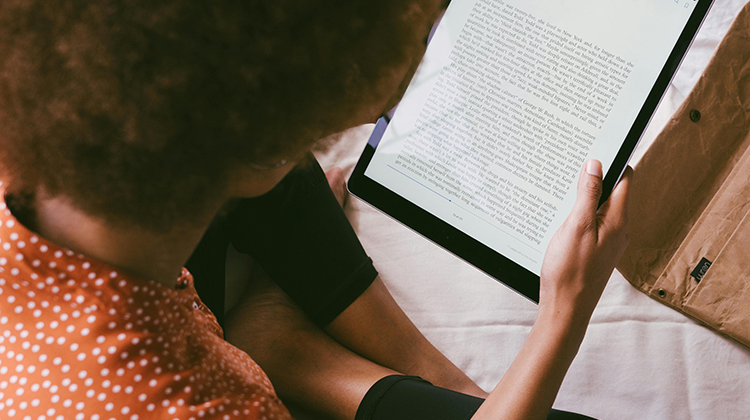
Amid growing concerns about screen time, social media, and declining attention spans, new data show students across Australia and New Zealand borrowed 4.8 million digital books in 2025, highlighting the changing nature of screen time and the growing role of digital reading in schools.
Ebooks remain the most popular format, accounting for the majority of borrowing, while audiobooks continue to grow as students explore alternative ways to engage with texts. Humour, fantasy, and comic and graphic books are the most popular genres among young readers, pointing to the importance of engaging, accessible content in building reading habits.
Students are using digital platforms for sustained, focused reading, often for extended periods of time. That’s a very different behaviour to scrolling or passive consumption.
Monica Williams, Account Manager at OverDrive and education specialist, said the findings reflect a shift in how students are choosing to read.
“Young people are still very much engaged with reading - they’re just doing it on a screen,” said Ms Williams.
Digital formats support diverse learners. Features such as audiobooks, text-to-speech, and adjustable reading settings are helping students of all abilities engage with content at their own pace. For reluctant readers or those with learning differences, these tools can be the difference between engagement and disengagement.
Students are also interacting more deeply with what they read by using built-in tools to look up unfamiliar words, annotate texts, and set personal reading goals. Many are opting for daily reading targets of around 20 minutes, aligning with research that shows regular reading can improve literacy outcomes.
The findings are from Sora’s 2025 State of K–12 Digital Reading report. The report also revealed distinct regional reading preferences across the country. Nature emerged as a standout secondary genre across multiple states, reflecting widespread interest in environmental themes. Biography and autobiography were particularly popular in New South Wales, while historical fiction resonated strongly in southern and western regions.
Queensland led the nation in digital reading activity, recording the highest levels of both ebook and audiobook borrowing.
"These insights show that reading habits aren't one-size-fits-all," said Williams.
"They reflect local interests, identities and what matters to students in their everyday lives."
As schools navigate ongoing conversations about technology in the classroom, the report adds an important perspective: digital formats are not replacing traditional reading, they are just expanding how students access books and interact with text.
"This isn't about choosing between print and digital," Williams said. "It's about recognising that students are reading in different ways and understanding how different formats can support both engagement and learning."