


Helping Young Dancers Stay Strong
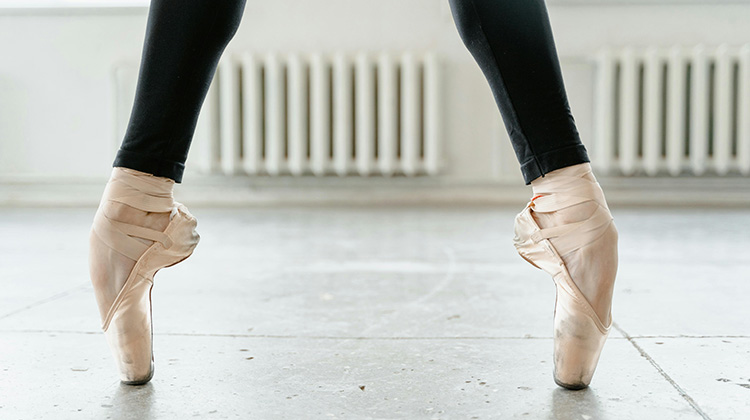
If you thought footy players were tough you probably haven’t met a dancer, they’re fit, obsessive and more often than not are dealing with pain all the while looking perfect.
In Australia, dance is the second most popular organised physical activity for girls under 15 years of age and remains popular for females 15 years and over.
Unfortunately, up to 84 per cent of dancers experience injury during their careers, 15 per cent leave dance due to injury or poor health so a new first-of-its-kind website has launched to help young Australian dancers protect their health.
Wellbeing for Dancers (wellbeingfordancers.com) is a free, research driven platform designed for young Australian dancers aged 14-21. It has been created by Edith Cowan University’s (ECU’s) Western Australian Academy of Performing Arts (WAAPA), in partnership with the UNSW Sydney and Royal Academy of Dance Australia.
Project Lead and WAAPA Exercise Scientist Dr Joanna Nicholas said the website responds to growing evidence that many pre-professional dancers lack access to reliable, science-backed health information, despite the physical and mental demands of vocational through to pre-professional dance training.
Dr Nicholas said key contributors to injury and poor health include gaps in nutrition knowledge, limited awareness of menstrual and hormonal health, outdated training approaches contributing to overtraining, misinformation online, gaps in knowledge relating to health and safe dance practices among dance teachers.
“This new website aims to fill those knowledge gaps and change that,” she said.
Wellbeing for Dancers was co-designed with Australian dance teachers, dancers, and health professionals to ensure it is practical, relevant, and accessible. The website offers:
• Short, easy to read blog posts
• Evidence based guidance on nutrition, recovery, hormones, strength and conditioning, and preventing overtraining
• Follow along videos
• Downloadable studio ready resources
• Interviews with professional dancers
• Dedicated sections for dancers, teachers, and parents/carers.
WAAPA Exercise Scientist Dr Nicholas and Accredited Practising Dietitian UNSW Sydney Associate Professor Sara Grafenauer said the website fills a longstanding gap in dancer health education.
“Young dancers are incredibly dedicated, but they often don’t have access to trustworthy health information. Our goal was to create a resource that empowers dancers, teachers and families with clear, evidence-based guidance so they can support long, healthy and enjoyable dance careers,” Dr Nicholas said.
Associate Professor Grafenauer emphasised the importance of nutrition literacy in preventing injury and supporting performance.
“Nutrition misinformation is everywhere, and dancers are particularly vulnerable to it. This resource gives them a reliable foundation with practical, age-appropriate information that helps them fuel well, recover well, and feel confident in their bodies,” she said.
The project team plans to continue to expand the platform with new content, interactive workshops, and professional development modules for dance teachers.
Dr Nicholas and Associate Professor Grafenauer ideally want to track improvements in health literacy, confidence, and adoption of safe dance practices across the sector.
“There is an opportunity for young dancers to progress to a pre-professional level of training. However, consistent education about health and nutrition alongside dance training is often lacking,” they said.
The Wellbeing for Dancers website is now live, visit wellbeingfordancers.com.
Image by MART PRODUCTION