


Hands On or Digital?
The introduction of digital tools in classrooms has been relentless but not without controversy, to some, rather than ushering in a new way of schooling, it has actually reduced cognitive abilities.
When tested, Gen Z students have generally underperformed on basically every cognitive measure, from basic attention, memory, literacy, numeracy, executive function and general IQ. They are the first generation to do this and, coincidentally or not, it is a digital heavy cohort.
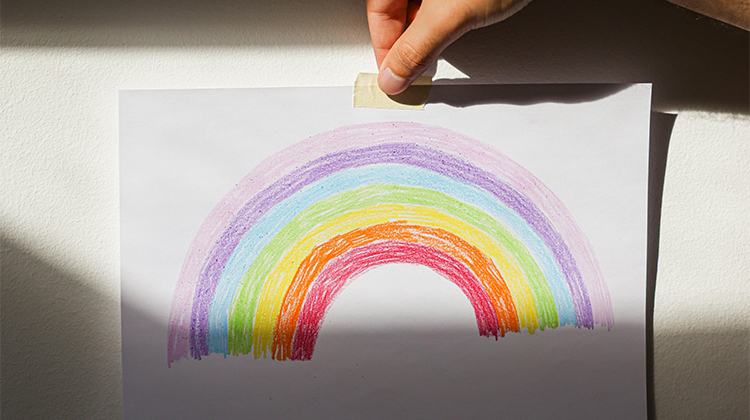
There seems to be a connection between creating something with your hands and a boost in cognition, it appears to concentrate attention and improve the educational value of an activity.
But we live in a digital age and to deny kids access probably has its own set of deficits, and the combination of hands on and digital and the degree to which each is used still needs to be clarified.
“The goal of education is to prepare students to be future ready citizens. Eliminating technology is not the solution. Instead, the solution is to teach students how to curate/select the tools that have most value/relevance and to teach students how to use that appropriate technology in responsible ways,” says Cheri Sterman, Senior Director of Education at Crayola.
“Yes, hands-on creating does boost learning. Bloom’s Taxonomy of Learning identifies creating as the highest level of cognition. When humans blend their original thoughts to create something new and useful, that is the essence of creativity and the pinnacle of cognition.
“Bloom’s Taxonomy points out that creating is much stronger in building cognitive abilities than remembering or applying information that others have already figured out. Neuroscientists Myra Fernandes, Jeffery Wammes, and Melissa Meade have documented that drawing thoughts is the most effecting learning strategy, with significantly better outcomes that students taking notes or listening to lectures. Drawing ideas by hand does boost learning.”
One definition of creativity is “putting imagination into action” which inherently honours students’ original ideas. The process can occur in many different ways, but educators often find it best to start with clearly articulated learning objectives (structured goals) that set the stage for students to then take the reins.
“It is important for students to have agency, the autonomy to let their imaginations take them through the idea generation and curation process so they explore many possibilities and select solutions that they think are strongest/best suited to the situation,” Sterman says.
Dr Jennifer Drake conducted research on this a number of years ago and she found that when students created art by hand, they experienced more joy than when they created digital art. Given the increase in digital options available to kids today, Crayola recently repeated the study to see if the results were consistent or changed. This study conducted December 2025, with children ages 8-12 found that they felt more pride in the art they created by hand vs. digitally and that when they made art by hand, they were more likely to save it, display it, or give it as a gift to another versus when they made digital art, which they tended to dismiss or forget about.
There are four creative behaviours that have been identified by Dr Gerard Puccio as nurturing children’s creativity: 1. Adults show their own curiosity 2. Teachers encourage students to explore new possibilities 3. Ask kids to solve problems and let them try out their ideas (even if you aren’t sure they will work) and 4. Keep an open mind/learn from mistakes.
Research with parents and children ages 8-12 shows that both groups are aware of the importance of creativity for learning and life. Eight out of ten parents said they “wished that when they were kids the adults in their lives had more fully nurtured their creativity” and these parents want to offer their kids more creative experiences today. But they cited busy schedules and lack of time as barriers.
“You don’t need to carve out a lot of time or buy expensive equipment. Sketch during outdoor walks. Design a menu for dinner. Create puppets to re-enact a favourite story. Illustrate a new cover for a beloved book. Kids who were surveyed added their suggestions: keep art supplies handy to use while they are waiting at sibling’s soccer games or for appointments to start. Keep a bin of markers in the car so they can draw while riding around town. Kids also said they treasured the times when the whole family would create together when they were younger. They wished their parents would bring the markers to the kitchen table and drawing alongside them now that they are getting older,” Sterman says.
Twenty million children from 147 countries just participated in Crayola’s Creativity Week which points to more than a little engagement with hands on creativity. The most outstanding impact this program has on students was reported by their teachers: 87% of these students increased their eagerness to learn and 85% increased their creative confidence. Additionally, 70% of the teachers who participated said they increased their understanding of the role creativity serves in learning and 72% said they increased their creative confidence.