


Disabled Students Integrated but Excluded
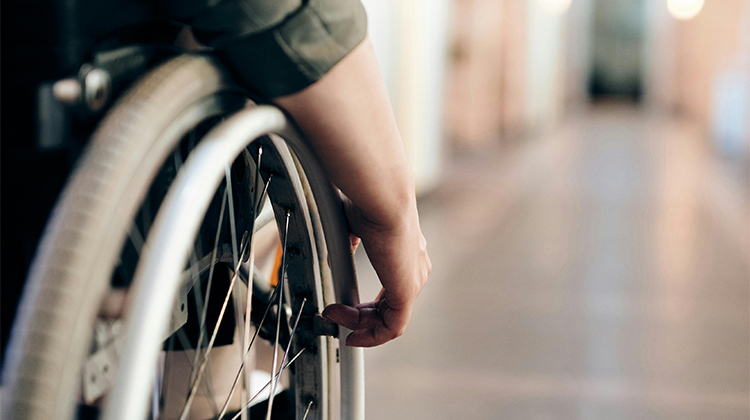
South Australia’s education system still reflects segregation and exclusionary practices that limit the potential of students with disability.
Too often, students are present but not included - experiencing integration rather than inclusion. Often the existence of special options gives mainstream sites an excuse to avoid inclusion.
As one student with a disability said, “I feel more included when I can sit with my friends, and I'm treated the same as everyone else... And teachers could make it easier to ask for help by offering it to everyone in the class, so it doesn't feel like I'm the only one who needs it.”
Regularly in South Australia, students with disability are ‘recommended’ for placement in a setting that is isolated from students without disabilities.
This, along with other reported restrictive practices show that the state’s current mainstream system is ill-equipped to support students with disability, to the point that families and staff within segregated environments cannot even imagine a future in which they have true inclusion in our general education system.
“…if places like ours [Special Education Centre, stand alone, completely segregated from mainstream setting] sort of didn't exist… what it would do to families. I feel like the families would be ostracised... If their children remain mainstream, I just don't know what they would do to families' mental health,” said one Teacher.
Patterns of exclusion perpetuate inequity and reinforce ableist assumptions about who belongs in classrooms.
As the Commissioner for Children and Young People has reported, exclusionary practices such as suspension and informal exclusionary practices remain alarmingly common. In South Australia, the education system includes alternative enrolment options for students - these are exclusionary options that too often have been developed to segregate students with disability. ‘Better Behaviour Centres’ are a clear example of students with disability being over-represented in exclusionary practices, rather than provided with support they require within their schooling environment.
“Many suspensions related to melt downs often escalated by staff mishandling situations and not allowing for processing time or student misunderstanding instruction or being punished for such things as using an inappropriate word assuming that he understood the meaning of the word and was not simply imitating others behaviour,” said a Parent/Carer.
The South Australian government can address Recommendation 7.2 from the Disability Royal Commission ‘Prevent inappropriate use of exclusionary discipline against students with disability’ and embed consistency in its approaches to behaviour and discipline action through the development of an Inclusive Education Strategy.
The SA Roadmap Project from Children and Young People with Disability Australia heard extensively from students about the need for stronger, proactive steps to be taken to prevent bullying and harm at school. It was identified that bullying behaviours came from both peers and teacher staff.
South Australia can strengthen whole-school approaches to behaviour, wellbeing and safety by embedding trauma-informed, strengths-based practice across all settings, supported by workforce training, clear guidance and system-level monitoring of restrictive and exclusionary practices.
An Inclusive Roadmap
The proposed roadmap sets out the stages of reform that South Australia must take to fully realise inclusive education. All stages must be driven by legislative and policy foundations that are committed to:
• Building strong foundations for inclusive education
• Guaranteeing equitable access and participation
• Transforming systems to end segregation
• Protecting students from harm
• Ensuring accountability and transparency at every level.
This roadmap has been informed through extensive co-design and consultation with students and young people, families and carers, teachers, and education professionals in South Australia.
• Teachers overwhelmingly believe students with disability should be included in their local schools alongside same-aged peers
• Families and caregivers want wellbeing, friendship, and meaningful participation at the heart of their child’s education
• Students want supports that are flexible, respectful, responsive, and non-stigmatising - and real action on bullying.
For more see: A Roadmap to an Inclusive Education System in South Australia produced by Children and Young People with Disability Australia.