


Constructively Engage with Harmful Behaviours in the Classroom
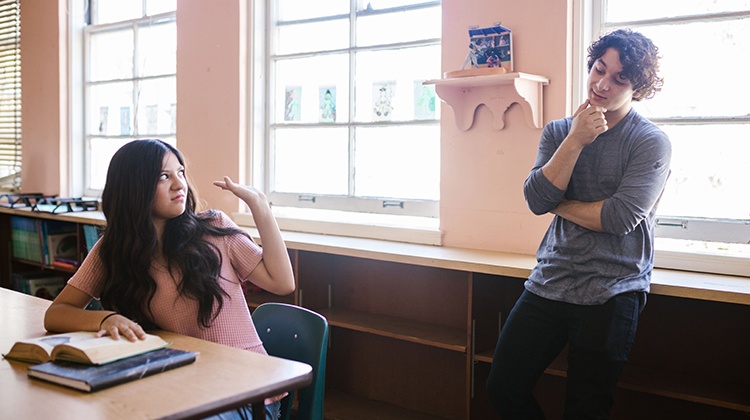
The impacts of rigid gender stereotypes and beliefs, exacerbated by the evolving manosphere and social media algorithms, are being felt across the education sector. Our teams hear it first-hand from teachers and principals, many of whom are themselves or are seeing others leave the profession entirely due to harassment or inadequate support.
This isn’t due to a lack of passion and drive to contribute to young people’s educational experiences and development, but rather a result of being forced to deal with excessive workloads, a lack of specialised training in issues related to consent and respectful relationships, and a backdrop of worsening misogyny and sexism in classrooms and rising abuse of educators. The increased volume of suspensions also indicates many schools are struggling to manage harmful behaviours in the classroom before they escalate into suspension-worthy actions. Again, this isn’t the fault of educators, but a clear reflection of the urgent need for training, resources, and support for educators to address harmful behaviours as they happen.
Understanding What's Beneath the Tip of the Iceberg
While students may be showing harmful behaviours externally, many educators will effectively recognise that underneath those behaviours are anxieties about the student’s place in the world or lack of control, fear about a perceived loss of privilege and status, or various kinds of identity, body or relationship insecurities. But that’s just the tip of the iceberg. Beneath these layers are a crisis of masculinity, anti-feminist and anti-gender beliefs and ideologies, and a lack of understanding of the historical context of women's oppression.
Because of these layers, the way harmful behaviours manifest externally can range significantly. This could involve denial as a passive form of resistance, co-option whereby progressive-seeming language is used to defend those in power (e.g. What about men’s rights?), or overt backlash that is explicit, hostile, and aims to put people in their traditionally gendered place.
Showing Support in the Face of Harmful Behaviours
Young men and boys, in particular, are facing significant pressure to adhere to rigid gender stereotypes, even if they don’t believe in these stereotypes themselves. This includes needing to appear strong, confident and tough at all times. For boys who do believe in these stereotypes, research shows they are more likely to get into fights, sexually harass others and engage in risk-taking behaviours such as alcohol use and gambling. Almost half of boys with these beliefs feel more rewarded online than with offline interactions, and most are experiencing poor mental health symptoms.
The negative domino effect of holding harmful, rigid gender beliefs is clear. The opportunity for educators is to break through this negativity by showing openness and support. This could involve asking questions with curiosity about their views, where they are getting their information, why they think that way, and whether others in their peer groups agree. It could involve showing empathy by discussing common ground and shared values, or sharing personal anecdotes about past experiences that the student may relate to. Or it could involve demonstrating openness to different ideas, perspectives and ways of looking at things, while acknowledging the difference in personal experiences, news sources, and digital behaviours.
With curiosity, empathy, and openness, educators can take the first steps to creating safe, judgement-free spaces where young people are invited in to share their views and experiences. These are critical foundations for an environment where robust discussions about consent, relationships, gender, and identity can flow. From here, educators can play a constructive role in supporting young people to make sense of what they’re seeing in the world and consuming online.
Prepared Educators are Empowered Educators
Unfortunately, today’s educators need to be prepared for harmful behaviours in the classroom by expecting them to happen, rather than hoping it’s an issue that somehow applies to everyone else. Addressing gender-based harmful behaviours in the classroom is critical for educator and student safety, and can be an effective prevention method to ending gender-based violence across our society as a whole.
Consequently, it requires a whole-of-school approach to supporting teachers to address harmful behaviours as they happen. All educators, parents and carers, and student peers have an opportunity to support each other in making our classrooms and communities safer, with empowered educators critical to that outcome.