


Brisbane Students Help Shape Hospital’s Ethics and Research
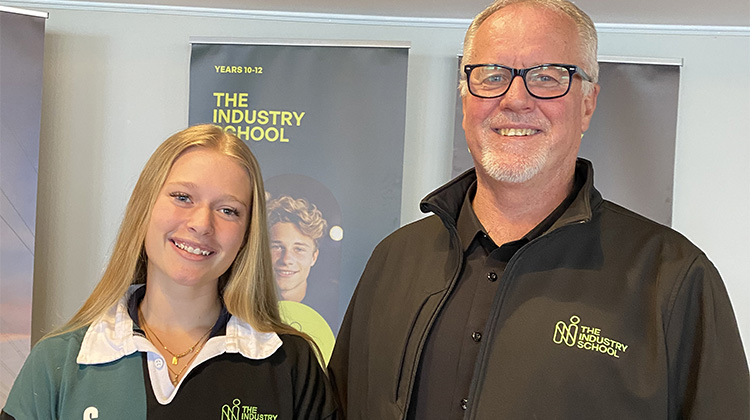
Children’s Hospital Queensland's paediatric Health and Research Ethics Committee (HREC) has become the first in the country to formally include school-aged people in its processes.
Three Brisbane secondary students joined the international ethics committee bringing a youth perspective to discussions that shape health and research involving children and adolescents.
The students, Shae Kirkwood from the Industry School - Brisbane and Lachlan and Kyle from St Laurence’s College, have been appointed as members of the hospital’s HREC, where they will contribute to the review of consumer-facing research materials and provide feedback on how information is communicated to young participants and their families, ensuring the perspectives of young people are considered during the ethical review process.
For Shae, the opportunity is a chance to help make cutting edge health research more accessible and relevant to young people.
“We reviewed information that would be given to young people and their families before they take part in research. Our role was to look at whether the language was clear, easy to understand and appropriate for young people. We weren't making the final decisions, but we provided feedback and suggestions from a young person's perspective so the committee could consider them during the ethics review process.
“From the beginning, everyone made it clear that our opinions mattered and that we were there because they genuinely wanted to hear from young people. I felt comfortable sharing my thoughts, and it was encouraging to see that the committee took our feedback seriously. I came away with a much better understanding of how health research is reviewed and the importance of making information accessible for everyone. It also helped build my confidence in speaking up and contributing to important discussions.
“Being part of the committee allows us to share a perspective that researchers and adults might not always consider. It’s rewarding to know our feedback could help make information clearer and more accessible for other young people and their families.”
While Shae is currently studying to be an electrician and has successfully attained a school-based electrical apprenticeship with Next Electrical and Air, the HREC appointment is providing valuable experience in leadership, healthcare and community engagement through research and strong governance, Shae has not ruled out eventually exploring a career in Health.
The Industry School - Brisbane Principal Peter Foster said the “initiative highlights the value of giving young people meaningful opportunities to contribute to decisions that affect their communities.
“One of the most powerful things we can do as educators is create opportunities for students to engage with the real world and see the impact their ideas and perspectives can have on society,” Mr Foster said.
“This appointment recognises that young people bring valuable insights to important conversations. It’s encouraging to see organisations creating genuine pathways for students to contribute, be heard and develop skills that will serve them well beyond school.”
The inaugural group will remain in the role until the end of the year before handing over to a new cohort of Year 11 students in Term 4, ensuring the initiative continues into 2027.
Principal Foster was pivotal in the program, he is a current member of the QCH HREC.
“The opportunity came through my partnership with the Children's Hospital Queensland Health and Research Ethics Committee. As a school, we're always looking for authentic learning experiences that extend beyond the classroom, and this initiative aligned perfectly with our approach. It gives students the opportunity to contribute to something meaningful while developing confidence, communication skills and critical thinking.
“We looked for students who were thoughtful, engaged and willing to represent the perspectives of other young people. Strong communication skills and a genuine interest in contributing were important, but so was having students who would be confident providing honest feedback and asking questions. We wanted students who would embrace the responsibility and recognise the value of their role.
“Students quickly realised they weren't there just to observe - they were there to contribute. It was also encouraging to see how seriously they approached the role and how confidently they participated alongside experienced professionals. An unexpected outcome has been seeing students broaden their thinking about future career pathways. Experiences like this expose them to industries and opportunities they may never have previously considered, while reinforcing that young people have valuable perspectives that deserve to be heard.”
The Industry School, places a strong emphasis on real world learning and creating opportunities that connect students with industry, community and future careers.
“We actively seek partnerships that allow students to apply what they're learning in meaningful settings. While this program is particularly unique because students are contributing to a health research ethics committee, it reflects our broader commitment to giving young people authentic experiences that build confidence, responsibility and leadership.
“This experience complements what students are learning in the classroom by developing skills that are relevant across every pathway. It strengthens critical thinking, communication, ethical decision making and collaboration, while giving students the opportunity to engage with complex real world issues. It also reinforces our focus on career readiness by showing students how their skills can be applied in professional environments and how their perspectives can genuinely influence decision making,” he says.